
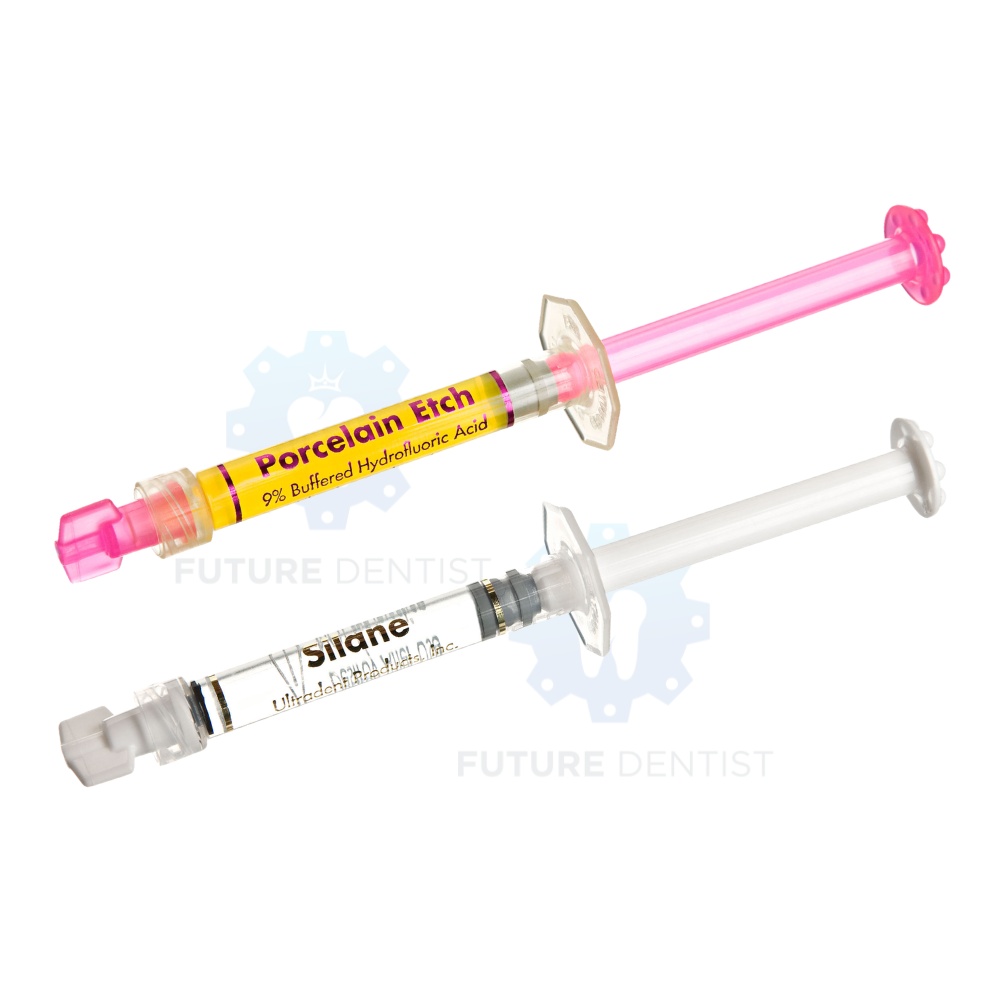
UltraDent Porcelain Etch & Silane
Price range: 475 EGP through 1.120 EGP
Syringe 1.2ml
Made in USA by UltraDent
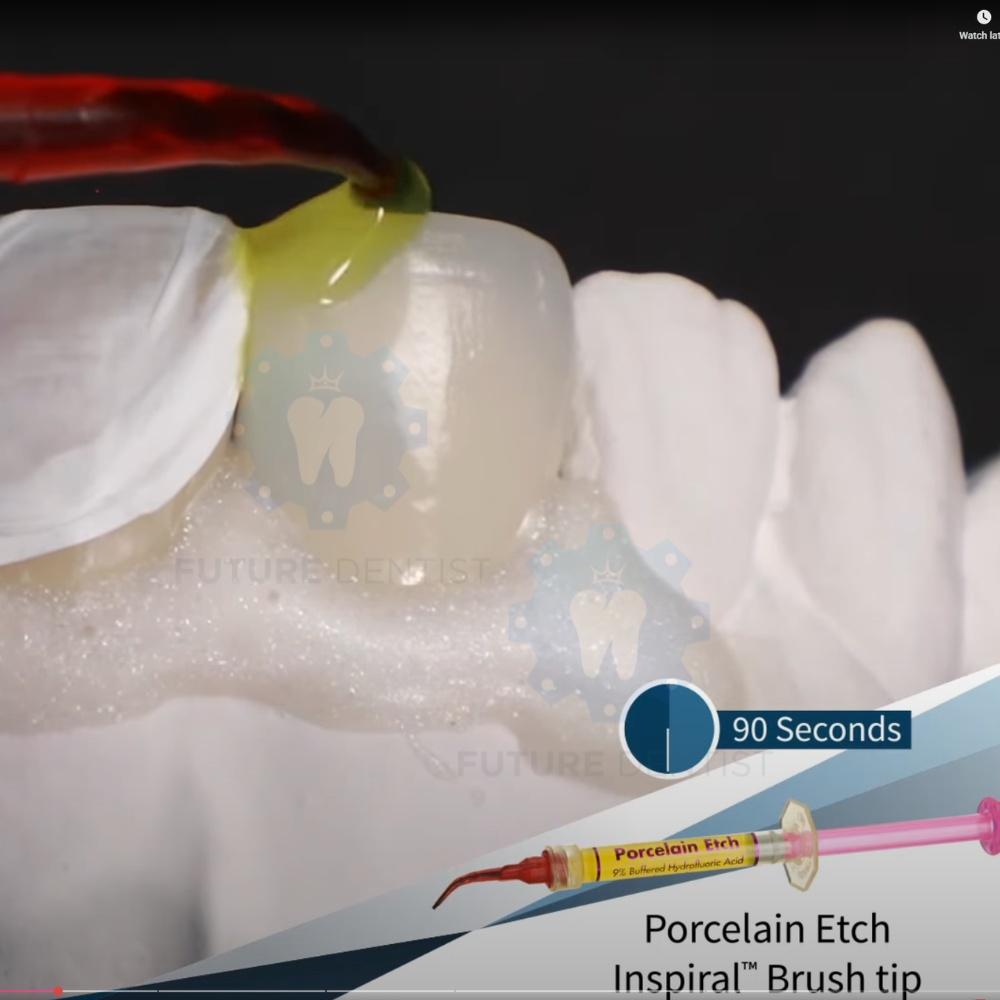
Ultradent 90-second Porcelain Etch is used to etch porcelain veneers, crowns, bridges, inlays, onlays, and fractured dental porcelain.
Ultradent 60-second Silane is used after hydrofluoric acid etching to prepare the surface for bonding resin.
Studies have demonstrated that Silane, when used with Porcelain Etch and a quality bonding resin, yields the highest bond strength to porcelain when compared with other porcelain bonding products.
Both Porcelain Etch and Silane may be used intraorally or extraorally.
Porcelain Etch is a viscous, buffered 9% hydrofluoric acid
Etch is easy to control and place
Will not stain composite or resin cement
Silane is a single-component solution
Yields the highest porcelain-to-resin bond strengths1
Ultradent Porcelain Etch and Silane may also be used on lithium disilicate (IPS e.max *) restorations2
For Porcelain Etch, use with Inspiral Brush tips.
For Silane, use with Black Mini Brush tips.
Certified gluten free
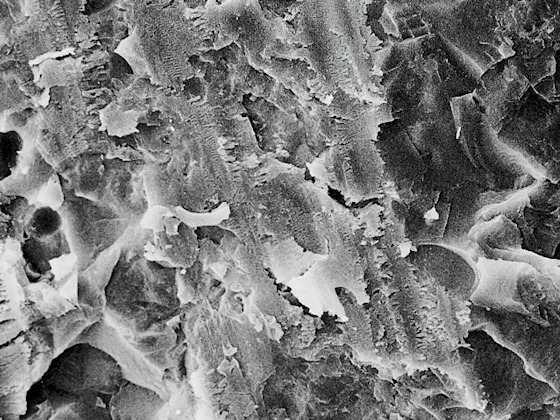
Before Porcelain Etch
Diamond-cut porcelain surface.
(Photo courtesy of Dr. Cornelis Pameijer)
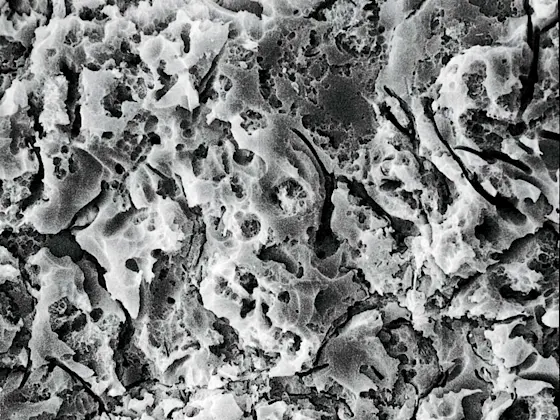
After Porcelain Etch
Same porcelain surface following a 90-second etch with Ultradent Porcelain Etch.
(Photo courtesy of Dr. Cornelis Pameijer)
Procedures
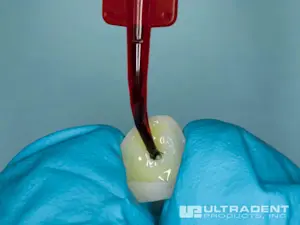
Step 1
Etch clean bonding surface with Porcelain Etch for 90 seconds, rinse, and dry.
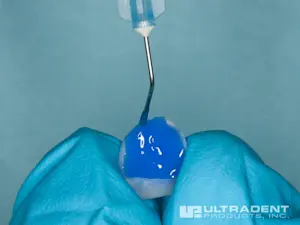
Step 2
CLINICAL TIP: Apply phosphoric acid (Ultra-Etch™ etchant) for five seconds to remove porcelain salts and debris formed by hydrofluoric acid etching. Rinse and air dry.
Step 3
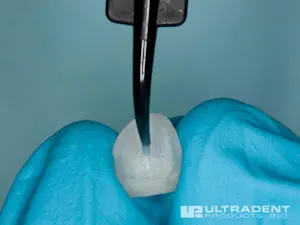
Apply a puddle coat of Silane to inside surface for 60 seconds, dry, and set prosthesis aside. Do not rinse.
| Option | Silane, Potcelain Etch, Kit of Both |
|---|
Only logged in customers who have purchased this product may leave a review.
Related products





Reviews
There are no reviews yet.